Veri merkezleri için gelişmiş soğutma teknolojileri ve mimarileri
Hava soğutma ve hibrit tasarımlardan doğrudan yonga üzerine soğutma ve daldırma soğutmaya kadar, modern veri merkezi mimarileri, yüksek güç yoğunluklarını verimli ve güvenilir bir şekilde yönetmek için giderek daha fazla sıvı soğutmaya güveniyor.

Hava soğutmadan sıvı soğutmaya: Yapay zeka kaynaklı ısı ve verimlilik taleplerini karşılamak
Artan raf yoğunlukları, yonga tasarımı, yapay zeka (AI) iş yükleri ve sürdürülebilirlik hedefleri, veri merkezlerinin soğutma yöntemlerini yeniden şekillendiriyor. Geleneksel havalı soğutma ve muhafaza stratejileri birçok tesiste hala kullanılsa da, güç yoğunluğunun artışına ve yonga üreticilerinin taleplerine paralel olarak, bu stratejilerin ısıyı yönetme kapasitesi giderek daha sınırlı hale gelmektedir. Sonuç olarak, operatörler ısıyı daha doğrudan uzaklaştıran, Güç Kullanım Verimliliğini (PUE) artıran ve öngörülebilir ölçeklendirme imkanı sunan sıvı tabanlı soğutma mimarilerini benimsemektedir. Bu mimariler arasında hibrit yaklaşımlar, arka kapak ısı eşanjörleri, yongaya doğrudan sıvı soğutma ve bazı durumlarda daldırma soğutma yer almaktadır.
Tüm bu teknolojilerde güvenilir çalışma, sıvı analizi, akış, sıcaklık ve basıncın doğru bir şekilde ölçülmesine bağlıdır. Endress+Hauser, soğutma ve özellikle sıvı soğutma alanında güvenilir bir iş ortağı olarak veri merkezi işletmecilerine güvenlik, verimlilik ve uzun vadeli performansı sağlamaya yardımcı olan endüstriyel sınıf enstrümantasyon, dijital hizmetler ve yaşam döngüsü uzmanlığı sunarak destek olmaktadır.
Veri merkezi soğutma prosesi


Güç yoğunlukları arttıkça veri merkezi soğutma mimarileri de gelişmektedir
Yapay zeka, makine öğrenimi ve yüksek performanslı bilgi işleme teknolojilerinin ısı üretimini artırmasıyla birlikte, veri merkezi soğutma mimarileri geleneksel ısıtma, havalandırma ve iklimlendirme (HVAC) sistemlerinin ve hava dağıtımının ötesine geçerek gelişmektedir. Soğutma sistemleri, veri merkezlerindeki toplam enerji tüketiminin %40’una kadarını oluşturabilir; bu nedenle verimli ısı tahliyesi ve termal stabilite, tasarımın temel kriterleri haline gelir. Sıvı soğutma, ısıyı kaynağına daha yakın bir noktadan uzaklaştırdığı ve daha öngörülebilir bir kontrol sağladığı için, hava soğutmayı giderek daha fazla tamamlayıcı bir rol üstlenmekte ve yüksek yoğunluklu bölgelerde onun yerini almaktadır.
Tüm mimarilerde, doğru ve güvenilir proses verileri hayati önem taşır. Endress+Hauser, akış, sıcaklık, basınç ve sıvı analizini kapsayan kapsamlı bir ürün yelpazesiyle veri merkezi soğutmasını destekleyerek, operatörlerin performansı optimize etmelerine ve Güç Kullanım Verimliliği (PUE) ile Su Kullanım Verimliliği (WUE) değerlerini artırmalarına olanak sağlar.

Hava soğutma hala geçerli bir yöntem olmakla birlikte, hassas sıcaklık kontrolüne dayanmaktadır
Bilgisayar Odası Hava İşleme Ünitesi (CRAH) ve Bilgisayar Odası Klima Ünitesi (CRAC) kullanılarak gerçekleştirilen hava soğutma yöntemi, düşük yoğunluklu veya karma kullanımlı ortamlarda hala yaygın olarak kullanılmaktadır. Hava akışını kontrol altına alma stratejileri hava akış verimliliğini artırır; ancak raf yoğunluğu arttıkça, hava tabanlı sistemler sıcaklık sapmalarına ve aşırı soğutmaya karşı daha duyarlı hale gelir ve bu da enerji tüketimini artırabilir.
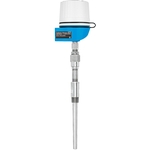
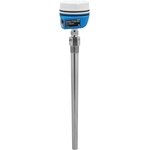
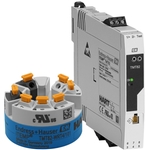
Hava soğutmalı sistemlerde stabil besleme ve dönüş koşullarını sağlamak için doğru sıcaklık ölçümü hayati önem taşır. iTHERM ModuLine TM151 ve TM152 sıcaklık sensörleri, iTEMP TMT82 transmiterlerle birlikte, soğutma devrelerinde ve tesisatlarda güvenilir sıcaklık izlemesi için tasarlanmıştır. Bu cihazların sağlam tasarımları ve hızlı tepki süreleri, operatörlerin aşırı ısınmayı önlemesine ve gereksiz enerji tüketimini azaltmasına yardımcı olur.

Hibrit soğutma ve arka kapı ısı eşanjörleri (RDHx), sıvı soğutmanın rolünü genişletiyor
Hibrit soğutma mimarileri, hava soğutmayı arka kapak ısı eşanjörleri gibi sıvı tabanlı çözümlerle birleştirir. Bu sistemler, mevcut oda düzenlerini bozmadan ısıyı raflara daha yakın bir noktadayken uzaklaştıran ve daha yüksek soğutma kapasitesi sağlayabilen pratik bir uygulamadır. Arka kapak sistemleri genellikle soğutulmuş su veya su-glikol devrelerine bağlanır; bu da güvenilir sıvı akış kontrolünün önemini artırır.
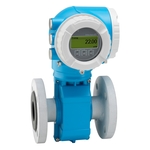
Hibrit ortamlarda genellikle dar mekanik alanlar ve çeşitli boru tesisatı düzenleri bulunur. Picomag elektromanyetik akış ölçerler kompakt tasarımları ve kurulum esnekliği sayesinde ikincil soğutma devreleri için son derece uygundur; Proline Promag W 300 ise düz boru kesitleri gerektirmeden veya basınç kaybına yol açmadan büyük borularda hassas akış ölçümü sağlar. Bu özellikler, sıvı soğutma sistemi genişledikçe ısı tahliyesinin istikrarlı bir şekilde sürdürülmesine yardımcı olur.

Doğrudan yonga üzerine (D2C) sıvı soğutma, yüksek yoğunluklu yapay zeka iş yüklerini destekler
Doğrudan yongaya sıvı soğutma sistemi, soğutma sıvısını merkezi işlem birimleri (CPU’lar), tensör işlem birimleri (TPU’lar) ve grafik işlem birimleri (GPU’lar) üzerine doğrudan monte edilmiş soğutma plakaları üzerinden dolaştırır. Bu mimari, soğutma kapasitesinin değişen iş yüklerine gerçek zamanlı olarak uyarlanmasını sağlar ve hava soğutmanın sınırlarına ulaştığı yapay zeka, makine öğrenimi ve yüksek performanslı bilgi işleme ortamlarında giderek daha yaygın olarak kullanılmaktadır.
Stabil çalışma, soğutma skid'leri, dağıtım devreleri ve yardımcı tesisler genelinde gerçekleştirilen güvenilir izleme faaliyetlerine bağlıdır. Endress+Hauser, doğrudan yonga üzerine entegre sistemlerde hassas akış ve sıcaklık ölçümü sağlayarak, operatörlerin yüksek yoğunluklu sıvı soğutmalı ortamlarda termal stabiliteyi korumalarına ve sıcak noktaların oluşmasını önlemelerine yardımcı olur.

Daldırma soğutma, sıvı soğutmayı aşırı yoğunluklara kadar genişletir
Daldırma soğutma yöntemi, BT ekipmanlarını doğrudan dielektrik akışkanların içine yerleştirerek, kompakt bir kaplama alanında çok yüksek ısı giderme verimliliği sağlar. Tek fazlı ve iki fazlı daldırma sistemleri, genellikle genel kullanımdan ziyade özel, ultra yüksek yoğunluklu uygulamalar veya araştırma ve geliştirme projeleri için kullanılır.
Daldırma soğutmada bile, tesis tarafındaki sıvı devreleri ve ısı tahliye sistemleri hayati önemini korumaktadır. Bu arayüzlerde akış, seviye ve sıcaklığın güvenilir bir şekilde ölçülmesi, genel soğutma altyapısının güvenli ve öngörülebilir bir şekilde çalışmasını sağlar.

Isı tahliyesi ve yardımcı sistemler, genel soğutma verimliliğini belirler
Raf düzeyindeki soğutma teknolojisi ne olursa olsun, genel performans, soğutucular, ısı eşanjörleri ve ısı tahliye sistemleri gibi önceki ve sonraki aşamalardaki altyapıya bağlıdır. Birçok modern veri merkezi, ölçeklenebilir ve verimli bir işletimi desteklemek amacıyla bu kaynakları tek bir merkezde toplar. Sıvı soğutmanın enerji avantajlarından yararlanabilmek için bu sistemlerin optimize edilmesi büyük önem taşımaktadır.
Hizmet ve ısı tahliye sistemleri genelinde doğru akış ve sıcaklık ölçümü, soğutma ihtiyaçları arttıkça şeffaflık, enerji optimizasyonu ve istikrarlı çalışma sağlar. Endress+Hauser enstrümantasyonu bu hedefleri endüstriyel düzeyde güvenilirlikle destekler.

Standartlaştırılmış enstrümantasyon, ölçeklenebilir soğutma mimarilerini destekler
Veri merkezi soğutma altyapıları, kapasitenin artması ve yeni teknolojilerin devreye girmesiyle birlikte gelişmektedir. Standartlaştırılmış ve güvenilir ölçümler, karmaşıklığı azaltır ve hava, hibrit (kuru soğutucular dahil) ve sıvı soğutma mimarilerinde tutarlı performansı destekler.
Endress+Hauser, geniş enstrümantasyon portföyü ve dijital hizmetleriyle varlık görünürlüğünü, durum izlemeyi ve yaşam döngüsü optimizasyonunu destekleyerek hem operatörlerin çalışma süresini korumalarına hem de sıvı soğutmayı güvenle ölçeklendirmelerine yardımcı olmaktadır. Sıvı soğutmalı veri merkezi sistemlerine yönelik enstrümantasyon ve ölçüm stratejileri hakkında daha fazla bilgi edinin.

%20The%20economical%20flowmeter%20for%20process%20quality%20control%20and%20monitoring%20-%20PP01.jpg)